

Responsible Travel in Sumba: A Guide to Ethical Tourism
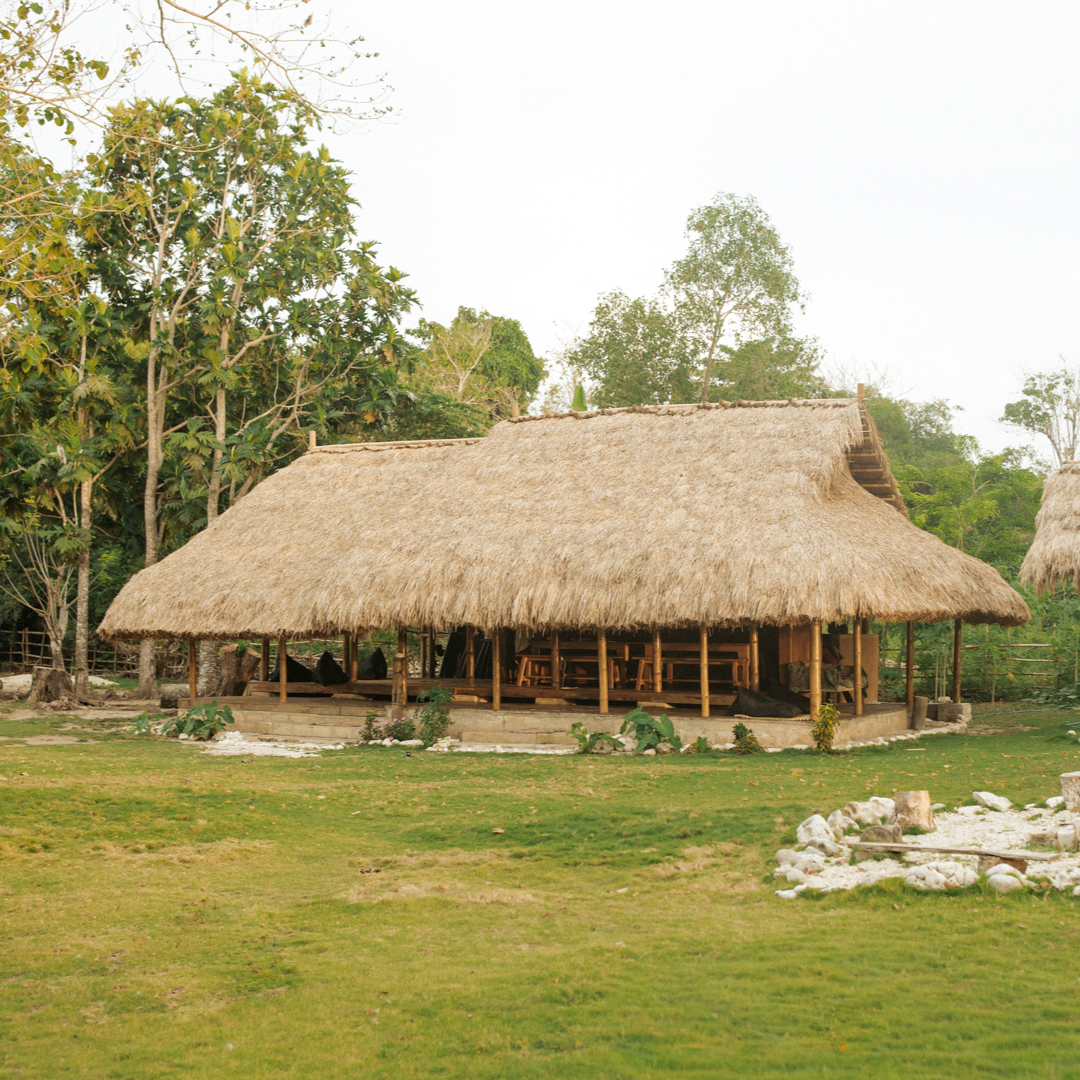
Sumba, with its rolling hills, ancient traditions, and untouched beaches, invites us to slow down and immerse ourselves in a world where time flows gently. As we wander through this island’s vibrant villages and pristine landscapes, we find a place that calls for mindful exploration. This guide is our shared journey into responsible travel in Sumba, where every step we take honours the land, the people, and the stories that shape this unique corner of the world.
Embracing Responsible Travel in Sumba
When we speak of responsible travel in Sumba, we mean more than just visiting a destination. It is about weaving ourselves respectfully into the fabric of local life. The island’s communities have preserved their customs and environment for generations, and our role is to support and celebrate this heritage without disrupting it.
To travel responsibly here, we start by choosing accommodations that reflect sustainable values. Places like Betelnut Eco-Lodge offer an off-grid experience that blends seamlessly with nature. Staying in such eco-friendly lodges means we reduce our footprint and contribute directly to the local economy. These lodges often use solar power, harvest rainwater, and serve locally sourced food, creating a harmony between comfort and conservation.
We also engage with local guides who share stories passed down through generations. Their knowledge enriches our understanding and deepens our connection to the island. By supporting these guides, we help preserve traditional livelihoods and encourage cultural exchange that is both genuine and respectful.

How to Travel Responsibly in Sumba’s Villages
The villages of Sumba are living museums of culture and tradition. When we visit, we enter sacred spaces where rituals and daily life intertwine. To honour this, we approach with humility and curiosity, always asking permission before photographing or joining ceremonies.
Here are some practical ways to travel responsibly in these communities:
Dress modestly: Wearing clothing that covers shoulders and knees shows respect for local customs.
Learn basic greetings: Simple words in the local language open doors and hearts.
Buy local crafts directly: Purchasing woven textiles or carved woodwork from artisans supports their craft and sustains traditions.
Avoid plastic waste: Bring reusable water bottles and bags to keep the environment pristine.
Respect sacred sites: Follow guidelines and avoid touching or removing any artifacts.
By following these steps, we become guests who listen and learn, rather than tourists who merely observe.
Connecting with Nature and Wildlife
Sumba’s natural beauty is a quiet symphony of rugged coastlines, savannahs, and forests. Responsible travel here means treading lightly and protecting the delicate ecosystems that thrive in this island’s embrace.
We can explore the island’s biodiversity through guided walks that highlight native plants and animals. These excursions often reveal the subtle balance between humans and nature that has endured for centuries. When we visit beaches, we keep a respectful distance from nesting turtles and avoid disturbing coral reefs.
To deepen our connection, we participate in community-led conservation projects. These initiatives might involve planting trees, cleaning beaches, or learning about sustainable fishing practices. Such hands-on experiences remind us that our presence can nurture rather than harm.

Supporting Community Wellbeing Through Travel
Travel in Sumba is not just about seeing new places; it is about fostering relationships that uplift the people who call this island home. We can contribute to community wellbeing by choosing experiences that prioritise local empowerment.
One way is to dine at family-run warungs where meals are prepared with love and local ingredients. Sharing food becomes a moment of connection, a way to taste the island’s spirit. We also seek out workshops where we learn traditional crafts or cooking, ensuring that knowledge and skills continue to flourish.
When we book tours or activities, we look for operators who reinvest profits into community projects such as education, healthcare, or infrastructure. This cycle of support helps create a sustainable future where tourism benefits everyone.
Living the Slow Life: A Mindful Approach to Sumba
Sumba invites us to slow our pace and savour each moment. Responsible travel here is as much about inner transformation as it is about external discovery. We embrace the island’s rhythm by waking with the sun, walking barefoot on warm earth, and listening to the stories whispered by the wind.
This slower way of travelling encourages us to be present, to notice the small details - the intricate patterns of ikat weaving, the scent of frangipani in the air, the laughter of children playing in the fields. It is a gentle reminder that travel is not a race but a shared experience of wonder and respect.
By adopting this mindful approach, we honour the spirit of Sumba and leave behind footprints that nurture rather than erase.
Our Shared Journey Towards Ethical Tourism in Sumba
As we explore this enchanting island, we carry a responsibility to protect its beauty and culture. By choosing to engage in ethical tourism sumba, we become part of a movement that values sustainability, respect, and community connection.
Together, we can ensure that Sumba remains a place where nature thrives, traditions endure, and travellers find not just a destination, but a home for the heart. Let us walk gently, listen deeply, and travel with intention - for in doing so, we honour the island and ourselves.
May our journey through Sumba be one of discovery, kindness, and lasting memories.
Comments